
⇤ Three Ways of Travelling
ROAD TRIPS — Portugal
Garry Winogrand, for example, […] found that within the rectangle of this viewfinder, he could freeze vignettes of life as he saw it or, rather, as his camera saw it. It might sound like Cartier-Bresson, but in truth, his aims were very different:
“I photograph to find out what the world looks like in a photograph.”
Gerry Badger. (1996). «The Genius of Photography» — On the road. London: BBC, p.140
Andorra | Austria | Belgium | Bulgaria | Croatia | Czechia | Denmark | ENGLAND | Estonia | Finland | FRANCE | Georgia | Germany | Greece | Hungary | Iceland | Ireland | Italy | Liechtenstein | Lithuania | Luxembourg | Moldova | Monaco | Montenegro | Netherlands NORWAY | Poland | PORTUGAL | Romania | SCOTLAND | Slovakia | SLOVENIA | SPAIN | Sweden | Switzerland | Turkey | WALES
diary of a road trip
through Europe
⋯⋯⋯
Europe’s Westernmost Point
Cabo da Roca
S1, Ep1
INDEX
S1, Ep1 • Cabo da Roca
S1, Ep2 • Cabo da Roca → Coimbra
S1, Ep3 • Coimbra → Caminha
S1, Ep4 •
S1, Ep5 •
Upcoming Episode 6 is set in Portugal
⋯⋯⋯
-
Flow and Drift: Notes on Inhabiting Minimal Space.
José Saramago wrote in Journey to Portugal:
“One must see what has never been seen, and see again what has already been seen..” (Saramago, 1981, p. 11)
The preparation for this journey has unfolded over the past few months through the News section and the Daily Journal, where we have shared the conversion of the van, the planning of the route, the selection of the places we intended to visit, and the way we envisaged photographing, filming and documenting this experience. With this first stage, the journey finally begins. From this point onwards, the journal will follow the route kilometre by kilometre, while the News section will continue to provide brief updates, behind-the-scenes insights and announcements of the forthcoming stages.
A journey of this scale begins to take shape long before the road lies beneath the wheels. It starts with research, maps spread out late into the night, lists of coordinates, the search for coastal roads, lighthouses, campsites, ferries and small places that gradually come to inhabit the imagination. What initially appears to be an exercise in planning slowly becomes an anticipation of experience. Long before they are travelled, many of these places have already established a quiet presence in memory.
Preparing a journey of this scale quickly extends beyond the technical planning of the itinerary. Every photograph examined, every road studied and every landscape imagined gives rise to expectations that precede the encounter with the place itself. The body slowly begins to recognise the possibilities of a territory it has not yet experienced. Perhaps this is why certain journeys already feel familiar before they begin, as though they were inhabited by a memory that does not yet correspond to lived experience.
The route between Cabo da Roca and the North Cape is more than a journey across continental Europe. It is also an inward movement between imagined landscapes and experiences yet to unfold. It marks the moment when the identity shaped by the stability of everyday life begins to yield to the openness of the road, accepting that the journey will inevitably transform who we are and the way we inhabit the world.
Over the past few months, the project has also acquired a material dimension through the gradual transformation of a Volkswagen Transporter T6.1 into a compact living and sleeping space. This was never simply a matter of adapting a vehicle for life on the road. It also became a process of learning how a minimal space can become a place to inhabit. Every compartment that was built, every solution devised for cooking, sleeping or organising the equipment brought the journey closer to the tangible reality of everyday life.
The van was given the name Ulisses. Not merely because of its immediate association with the wandering of the Homeric epic, but because this journey also carries something of a contemporary odyssey. The route will unfold through successive journeys, brief encounters, detours, harsh weather and perseverance. Little by little, Ulisses has ceased to be simply a vehicle and has become a travelling companion, a mobile archive and a place of dwelling.
Before setting off, we undertook two trial journeys. The first took us to the Bay of Biscay and ended unexpectedly with a fault in the AdBlue system, reminding us that every journey remains exposed to the possibility of failure. The second led us to the Bardenas Reales and allowed us, for the first time, to experience the autonomy of life on the road. Sleeping inside the van, continually reorganising our belongings, listening to the night sounds of a car park by the sea, or waking before sunrise to watch condensation gathering on the windows began to establish a tangible relationship between body, space and movement. These small experiences became rehearsals for a far longer journey.
In these moments of stillness, a particular form of silence emerges. It is not silence understood as the absence of sound, but as a physical presence that fills the interior and makes us aware of the materiality of objects, the metal body of the van, the wind, the rain and the repeated gestures of everyday life. The confined space ceases to be merely a shelter and becomes an integral part of the experience of travelling.
Perhaps this journey has existed for much longer than it appears. Travelling has always shaped the way we look at the world. It began with Interrail, continued through camping in tents, later in small cars and, more recently, through stays at campsites. Over the years, roads, coastal towns, mountains, ports, ferries and landscapes have accumulated, remaining in memory as scattered fragments. Many of these places now return as quiet points of reference accompanying this new journey. This expedition also arises from the desire to revisit some of those landscapes, to confront memory with the present, and to extend this personal geography towards places that remain unknown.
The route between Cabo da Roca and the North Cape seems to follow a constant attraction to margins. Geographical, cultural and existential margins. The coastline appears as the boundary where land meets the sea, but also as a space of perpetual transition, where no landscape remains unchanged for long, just as we ourselves continue to change the way we live. Light constantly reshapes the terrain, the wind alters our perception of distance, mist dissolves contours, and our state of mind transforms the way each place reveals itself to us. The landscape ceases to be a static setting and instead becomes an experience in continuous transformation.
This way of moving through the landscape inevitably approaches a phenomenological perspective. A place does not exist solely as a physical reality, but as lived experience, shaped through the relationship between body, movement, time and memory. Walking a few metres across a headland, remaining in silence before the sea, or observing the changing light over the course of several hours profoundly alters our perception of space. The territory ceases to be merely what we see and comes to include what we feel, what we remember and what gradually becomes embodied through experience.
It is precisely at this intersection between travel, experience and perception that this project connects with my research in contemporary art and with my doctoral work at the College of Arts of the University of Coimbra. Flow and Driftconstitutes one of the visual essays within that research, exploring the relationships between body, place, memory, movement, landscape and lived experience. The road therefore ceases to be merely a physical route and becomes, simultaneously, a field of observation, an artistic practice and a framework for thought. Travelling becomes a form of sensitive enquiry into the territory, where repetition, habit, drift and embodied presence create new ways of relating both to the places we pass through and to the minimal inhabited space within the van.
Having always travelled in small vehicles, the transition to a van inevitably changed many of our habits. In the same way, moving from a spacious home into an extremely confined environment required the body to reorganise its movements, gestures and daily routines. Inhabiting a minimal space means relearning the relationship between body, objects and territory, making perceptible the subtle variations that usually pass unnoticed within the accelerated rhythm of everyday life. The journey is also shaped by this gradual learning of how we inhabit space.
The lighthouses we encounter along the coastline occupy a particular place in this journey. More than simple architectural structures, they emerge as objects marked by time, repetition and memory. Built to withstand isolation, harsh weather and erosion, they remain enduring signs within a journey defined by constant movement. Perhaps they share a quiet affinity with this crossing: the persistence of moving forward, kilometre after kilometre, despite the immense distance separating the westernmost point from the northernmost edge of Europe.
The journey also seeks to create an archive. Not simply a documentary archive of photographs and videos, but a record of the experience of movement itself. It seeks to preserve the intervals between destinations, secondary roads, seaside car parks, isolated petrol stations, ferries crossing rain-soaked fjords and small villages where time seems to unfold according to a different rhythm. The journal emerges from this attention to what usually remains unnoticed, seeking to preserve not only what has been seen, but also what has been lived between one place and the next.
Before departure, there is always a moment when everything remains nothing more than possibility. The maps appear endless, the distance to the North Cape still seems almost unreal, and practical concerns begin to accumulate: the weather, self-sufficiency, physical endurance, costs, ferries, borders and isolation. Yet it is precisely this uncertainty that gives the journey its depth. A completely predictable route would lose part of its intensity, because some of the most meaningful experiences arise precisely through detours, failure and the unexpected.
Cabo da Roca therefore assumes a significance that extends far beyond its geographical position. As the westernmost point of mainland Europe, it symbolically represents the place where the land ends and the road begins. It is from this Atlantic headland that a journey sets out through cliffs, small villages, major cities, mountains, fjords and archipelagos, following, whenever possible, the European coastline all the way to the North Cape.
More than reaching a destination, our intention is to create a visual journal in which photography, video, writing and the observation of the landscape come together to form an archive of lived experience. The aim is not simply to document the places we visit, but to understand how those places reveal themselves through dwelling, through the repetition of everyday gestures, and through an attentiveness to what usually lies beyond conventional travel narratives.
This archive will inevitably remain incomplete. It will also be shaped by failure, by photographs blurred through movement, by hastily written notes made at a petrol station, by unexpected changes of route, or by pauses imposed by wind, rain or mechanical breakdown. We are interested in preserving the constant tension between what has been carefully planned and what the road ultimately transforms. It is within this fragile balance between planning and unpredictability that the journey will most likely find its form.
Each stage will seek to reveal not only the places we travel through, but also the seemingly insignificant events that occur between one destination and the next. Very often, it is within these intervals that experience acquires its greatest depth. A coffee in a small coastal village, a brief conversation with a fisherman, the silence of a car park beside the sea, or the wait for a ferry become as meaningful as the major destinations marked on the map. Travelling requires us to recognise that the significance of a journey rarely resides only in its best-known places.
Throughout this journey, photography and video will not function merely as tools of documentation. They are ways of observing, of slowing down, and of establishing a more attentive relationship with the territory. Every image is the result of time spent in a place, of a sustained gaze, and of an attempt to understand what a landscape offers beyond its immediate appearance. For this reason, many photographs will emerge from returning repeatedly to the same location, waiting for the light, the weather, or simply the experience itself to transform what at first seemed invisible.
The journal will also seek to make visible the everyday dimension of the journey. Living in a van for several months means creating new routines, constantly adapting the simplest gestures, and learning to inhabit a space where every object has its own place. Preparing a meal, reorganising photographic equipment, finding water, charging batteries or deciding where to spend the night cease to be secondary tasks and become integral to the experience itself. The road is not made up solely of its great moments, but also of these repeated everyday actions that gradually give structure to life in motion.
This attention to everyday life reflects the way we understand the experience of landscape. We are not interested only in exceptional places, but also in those discreet spaces that usually escape the tourist gaze: secondary roads, fishing harbours, small coves, little-known viewpoints, almost deserted car parks or villages where life continues at a rhythm far removed from contemporary acceleration. It is often in these marginal places that the relationship between landscape, body and time reveals itself most intensely.
Ultimately, this journey does not seek to answer a question or to prove a thesis. Instead, it seeks to open a space for observation in which experience can unfold without being immediately reduced to a conclusion. The road, the landscape, the body and memory will remain in continuous transformation, just like the journal itself. Each stage will add new fragments to this archive, aware from the outset that no description can ever fully encompass what it means to inhabit a territory in motion.
Follow brief project updates, preparation notes, and announcements of upcoming stages in the News→ Daily Journal section. -
Fluxo e Deriva: Notas sobre Habitar um Espaço Mínimo
José Saramago escreveu em Viagem a Portugal:
“É preciso ver o que nunca foi visto, ver de novo o que se viu já” (Saramago, 1981, p. 11)
A preparação desta viagem foi sendo acompanhada, ao longo dos últimos meses, na secção News, através do Daily Journal, onde partilhámos a adaptação da carrinha, o estudo do percurso, a selecção dos lugares que pretendíamos visitar e a forma como imaginávamos fotografar, filmar e documentar esta experiência. Com esta primeira etapa inicia-se, finalmente, a viagem. A partir de agora, o diário acompanhará o percurso quilómetro após quilómetro, enquanto a secção News continuará a reunir breves actualizações, bastidores e anúncios das etapas seguintes.
O início de uma viagem desta dimensão desenha-se muito antes de a estrada existir sob as rodas. Começa na investigação, nos mapas abertos durante a noite, nas listas de coordenadas, na pesquisa de estradas costeiras, faróis, parques de campismo, ferries e pequenos lugares que lentamente passam a habitar a imaginação. O que inicialmente parece um exercício de planeamento transforma-se, pouco a pouco, numa forma antecipada de experiência. Antes de serem percorridos, muitos destes territórios já começaram a construir uma presença silenciosa na memória.
Preparar uma viagem desta dimensão ultrapassa rapidamente a dimensão técnica do itinerário. Cada fotografia observada, cada estrada estudada ou cada paisagem imaginada sedimenta expectativas que antecedem o encontro efectivo com o lugar. O corpo começa lentamente a reconhecer possibilidades de um território onde ainda não esteve. Talvez por isso certas viagens pareçam familiares antes mesmo de começarem, como se fossem habitadas por uma memória que ainda não corresponde a nenhuma experiência vivida.
O trajecto entre o Cabo da Roca e o Cabo Norte não representa apenas uma travessia da Europa continental. Constitui igualmente um movimento interior entre paisagens imaginadas e experiências por realizar. É o momento em que a identidade construída pela estabilidade do quotidiano começa a ceder perante a abertura do caminho, aceitando que a viagem transformará inevitavelmente aquilo que somos e a forma como habitamos o mundo.
Ao longo dos últimos meses, esse projecto ganhou também uma dimensão material através da transformação gradual de uma Volkswagen Transporter T6.1 num pequeno espaço de habitação e dormitório. Não se tratou apenas de adaptar um veículo às necessidades da estrada. O processo revelou-se igualmente uma aprendizagem sobre o modo como um espaço mínimo pode tornar-se lugar habitado. Cada compartimento construído, cada solução encontrada para cozinhar, dormir ou organizar o equipamento aproximou a viagem da realidade concreta do quotidiano.
À carrinha foi dado o nome de Ulisses. Não apenas pela associação imediata à errância da epopeia homérica, mas porque esta travessia contém igualmente algo de uma odisseia contemporânea. O percurso será feito de deslocações sucessivas, encontros breves, desvios, intempéries e persistência. Pouco a pouco, Ulisses deixou de ser apenas um veículo para se tornar companheiro de estrada, arquivo móvel e espaço de permanência.
Antes da partida realizaram-se duas viagens de ensaio. A primeira conduziu-nos até ao Golfo da Biscaia e terminou inesperadamente com uma avaria no sistema AdBlue, lembrando que qualquer travessia permanece sempre exposta à possibilidade da falha. A segunda levou-nos até às Bardenas Reales e permitiu experimentar, pela primeira vez, a autonomia da vida em estrada. Dormir no interior da carrinha, reorganizar continuamente os objectos, escutar os sons nocturnos de um estacionamento junto ao mar ou acordar antes do nascer do sol para observar a condensação nos vidros começou a construir uma relação concreta entre corpo, espaço e movimento. Essas pequenas experiências funcionaram como ensaios para uma travessia muito mais longa.
Nestes momentos de paragem surge uma forma particular de silêncio. Não um silêncio entendido como ausência de som, mas como presença física que preenche o habitáculo e torna perceptíveis a matéria dos objectos, a chapa da carrinha, o vento, a chuva ou os gestos repetidos da vida quotidiana. O espaço reduzido deixa de ser apenas um abrigo para se tornar parte integrante da experiência da viagem.
Talvez esta travessia exista há muito mais tempo do que parece. Viajar sempre fez parte da forma como olhamos o mundo. Primeiro através do Interrail, depois em tenda de campismo, mais tarde em pequenos automóveis e, mais recentemente, através de estadias em parques de campismo. Ao longo dos anos acumularam-se estradas, cidades costeiras, montanhas, portos, ferries e paisagens que permaneceram na memória sob a forma de fragmentos dispersos. Muitos desses lugares reaparecem agora como referências silenciosas que acompanham este novo percurso. Esta viagem nasce também da vontade de regressar a alguns desses territórios, confrontar a memória com o presente e prolongar essa geografia pessoal até lugares ainda desconhecidos.
O percurso entre o Cabo da Roca e o Cabo Norte parece obedecer a uma atracção constante pelas margens. Margens geográficas, culturais e existenciais. A costa surge como o limite onde a terra encontra o mar, mas também como um espaço de transição permanente, onde nenhuma paisagem permanece idêntica durante muito tempo, tal como nós que vamos alterando a nossa forma de viver. A luz modifica continuamente o relevo, o vento altera a percepção das distâncias, o nevoeiro dissolve os contornos e o estado de espírito transforma a forma como cada lugar se oferece ao olhar. A paisagem deixa de ser um cenário estável para se revelar como uma experiência em permanente mudança.
Esta forma de percorrer o território aproxima-se inevitavelmente de uma perspectiva fenomenológica. O lugar não existe apenas como realidade física, mas como experiência vivida, construída pela relação entre corpo, movimento, tempo e memória. Caminhar alguns metros sobre um promontório, permanecer em silêncio diante do mar ou observar a transformação da luz ao longo de várias horas altera profundamente a percepção do espaço. O território deixa de ser apenas aquilo que se vê para passar a incluir também aquilo que se sente, aquilo que se recorda e aquilo que lentamente se incorpora na experiência.
É precisamente neste cruzamento entre viagem, experiência e percepção que este projecto se relaciona com a investigação desenvolvida na área da arte contemporânea e com o trabalho de doutoramento em curso no Colégio das Artes da Universidade de Coimbra. O Fluxo e a Deriva constitui um dos ensaios visuais dessa investigação, explorando as relações entre corpo, lugar, memória, deslocação, paisagem e experiência vivida. A estrada deixa, assim, de ser apenas um percurso físico para se tornar simultaneamente campo de observação, prática artística e dispositivo de pensamento. Viajar transforma-se numa forma de investigação sensível do território, onde repetição, hábito, deriva e presença corporal constroem novas formas de relação com os lugares atravessados e com esse espaço mínimo habitado que é o interior da carrinha.
O facto de sempre termos viajado em veículos de pequenas dimensões fez com que a passagem para uma carrinha alterasse inevitavelmente muitos dos nossos hábitos. Da mesma forma, a transição de uma habitação ampla para um espaço extremamente reduzido obrigou o corpo a reorganizar movimentos, gestos e rotinas. Habitar um espaço mínimo significa reaprender a relação entre corpo, objectos e território, tornando perceptíveis pequenas variações que, no ritmo acelerado do quotidiano, passam normalmente despercebidas. A viagem faz-se também desta aprendizagem lenta sobre a forma como habitamos o espaço.
Os faróis que ao longo da costa marítima encontramos ocupam um lugar particular neste percurso. Mais do que simples estruturas arquitectónicas, surgem como objectos marcados pelo tempo, pela repetição e pela memória. Construídos para resistir ao isolamento, ao clima e à erosão, permanecem como sinais de permanência numa viagem definida pelo movimento constante. Talvez exista neles uma afinidade silenciosa com esta travessia: a persistência de continuar a avançar, quilómetro após quilómetro, apesar da enorme distância que separa o extremo ocidental do extremo norte da Europa.
A viagem procura igualmente construir um arquivo. Não apenas um arquivo documental de fotografias e vídeos, mas um registo da própria experiência da deslocação. Interessa preservar os intervalos entre destinos, as estradas secundárias, os parques de estacionamento junto ao mar, os postos de combustível isolados, os ferries que atravessam fiordes sob chuva persistente ou as pequenas aldeias onde o tempo parece decorrer segundo outro ritmo. O diário nasce dessa atenção ao que normalmente permanece invisível, procurando conservar não apenas aquilo que foi visto, mas também aquilo que foi vivido entre um lugar e outro.
Antes da partida existe sempre um momento em que tudo permanece apenas como possibilidade. Os mapas parecem infinitos, a distância até ao Cabo Norte continua quase irreal e as dúvidas acumulam-se: a meteorologia, a autonomia, o desgaste físico, os custos, os ferries, as fronteiras ou o isolamento. No entanto, é precisamente essa incerteza que confere espessura à viagem. Um percurso totalmente previsível perderia parte da sua intensidade, porque muitas das experiências mais significativas surgem precisamente do desvio, da falha e do inesperado.
O Cabo da Roca assume, por isso, um significado que ultrapassa o seu valor geográfico. Sendo o ponto mais ocidental da Europa continental, representa simbolicamente o lugar onde a terra termina e onde a estrada começa. É deste promontório atlântico que se inicia uma travessia através de falésias, pequenas aldeias, grandes cidades, montanhas, fiordes e arquipélagos, acompanhando, sempre que possível, o litoral europeu até ao Cabo Norte.
Mais do que alcançar um destino, interessa-nos construir um diário visual onde fotografia, vídeo, escrita e observação do território se entrelaçam para dar forma a um arquivo da experiência vivida. Não se trata apenas de documentar os lugares visitados, mas de compreender a forma como esses lugares se revelam através da permanência, da repetição dos gestos quotidianos e da atenção dedicada ao que normalmente permanece fora das narrativas de viagem.
Este arquivo será inevitavelmente incompleto. Construir-se-á também a partir da falha, da fotografia tremida pelo movimento, da anotação rápida escrita num posto de combustível, da alteração inesperada do itinerário ou da pausa imposta pelo vento, pela chuva ou por uma avaria mecânica. Interessa-nos preservar essa tensão constante entre aquilo que foi cuidadosamente preparado e aquilo que a estrada acaba sempre por transformar. É nesse equilíbrio instável entre planeamento e imprevisibilidade que a viagem encontrará a sua forma.
Cada etapa procurará mostrar não apenas os lugares percorridos, mas também os acontecimentos aparentemente insignificantes que surgem entre um ponto e outro. Muitas vezes, é precisamente nesses intervalos que a experiência ganha espessura. Um café tomado numa pequena aldeia costeira, uma conversa breve com um pescador, o silêncio de um parque de estacionamento junto ao mar ou a espera por um ferry tornam-se momentos tão significativos como os grandes destinos inscritos no mapa. Viajar implica reconhecer que o sentido do percurso raramente se concentra apenas nos lugares mais conhecidos.
Ao longo desta travessia, fotografia e vídeo não funcionarão apenas como instrumentos de registo. Constituem formas de observar, de desacelerar e de estabelecer uma relação mais atenta com o território. Cada imagem corresponde ao resultado de um tempo de permanência, de um olhar prolongado e de uma tentativa de compreender aquilo que um lugar oferece para além da sua aparência imediata. Também por isso, muitas das fotografias nascerão de regressos sucessivos ao mesmo ponto, aguardando que a luz, o tempo atmosférico ou simplesmente a experiência transformem aquilo que inicialmente parecia invisível.
O diário procurará igualmente tornar visível a dimensão quotidiana da viagem. Habitar uma carrinha durante vários meses significa criar novas rotinas, adaptar continuamente os gestos mais simples e aprender a viver num espaço onde cada objecto tem um lugar preciso. Preparar uma refeição, reorganizar o equipamento fotográfico, procurar água, carregar baterias ou decidir onde passar a noite deixam de ser tarefas secundárias para se tornarem parte integrante da própria experiência. A estrada não é apenas composta pelos grandes momentos da viagem, mas também por estas pequenas acções repetidas que lentamente estruturam a vida em movimento.
Esta atenção ao quotidiano aproxima-se da forma como entendemos a experiência do território. Não procuramos apenas lugares excepcionais, mas também aqueles espaços discretos que normalmente escapam ao olhar turístico: estradas secundárias, portos de pesca, pequenas enseadas, miradouros pouco conhecidos, parques de estacionamento quase vazios ou aldeias onde o ritmo da vida permanece distante da aceleração contemporânea. É frequentemente nesses lugares marginais que a relação entre paisagem, corpo e tempo se revela com maior intensidade.
No final, esta travessia não pretende responder a uma pergunta nem demonstrar uma tese. Procura, antes, abrir um espaço de observação onde a experiência possa acontecer sem ser imediatamente reduzida a uma conclusão. A estrada, a paisagem, o corpo e a memória permanecerão em transformação contínua, tal como o próprio diário. Cada etapa acrescentará novos fragmentos a esse arquivo, sabendo, desde o início, que nenhuma descrição conseguirá esgotar completamente aquilo que significa habitar um território em movimento.
Pode acompanhar breves atualizações do projeto, notas de preparação e anúncios de próximas etapas na secção News→ Daily Journal

S1, Ep1 • Europe’s Westernmost Point • Cabo da Roca
Photographs and videos documenting places, landscapes, and moments encountered along the route.

ROADSIDE CHRONICLES Archive in Progress
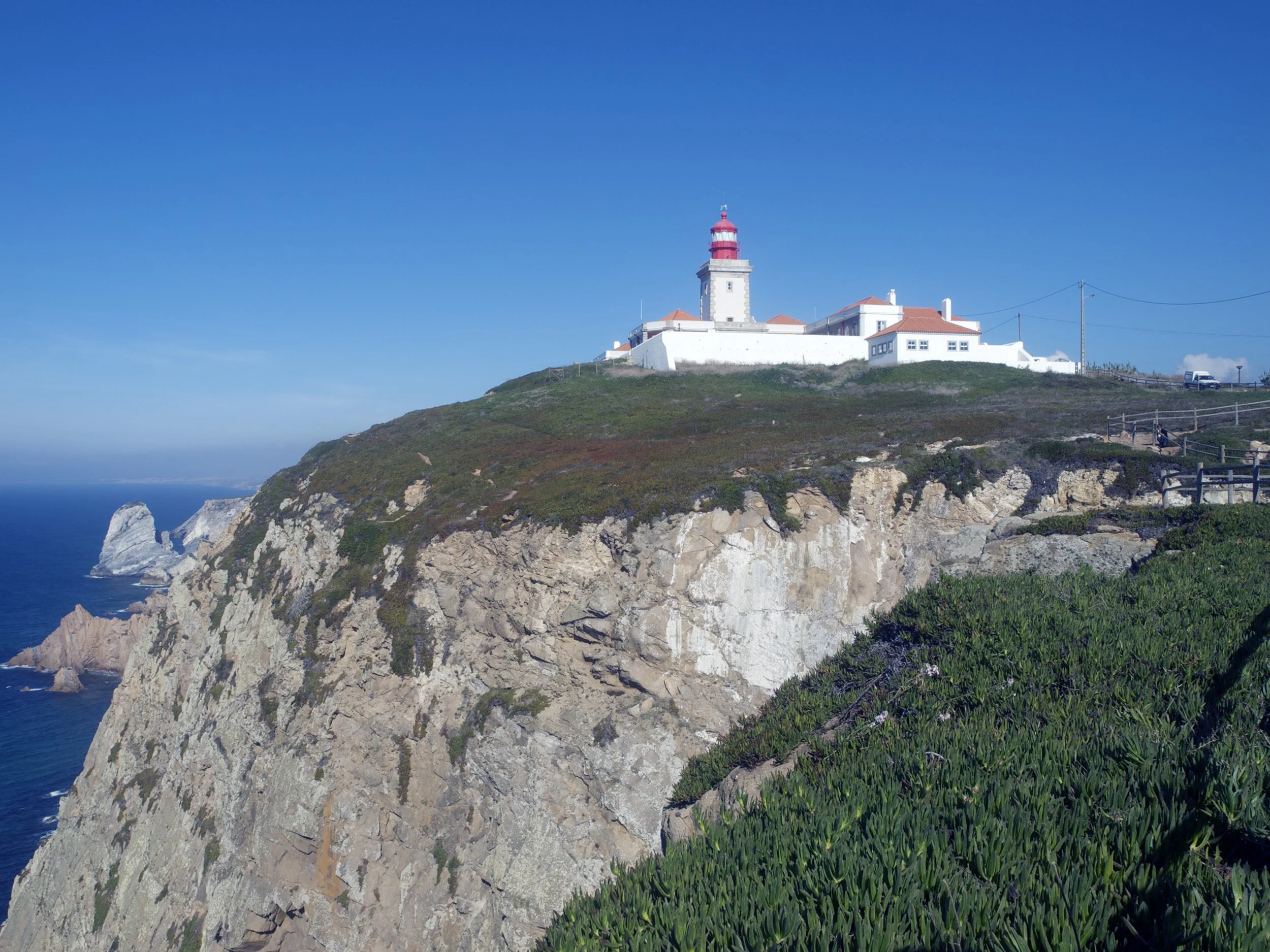
Lighthouse #??? (2025) Cabo Roca, Portugal
Additional photographs from Portugal recorded during other journeys, outside the Roadside Chronicles project
OTHER JOURNEYS Archive in Progress
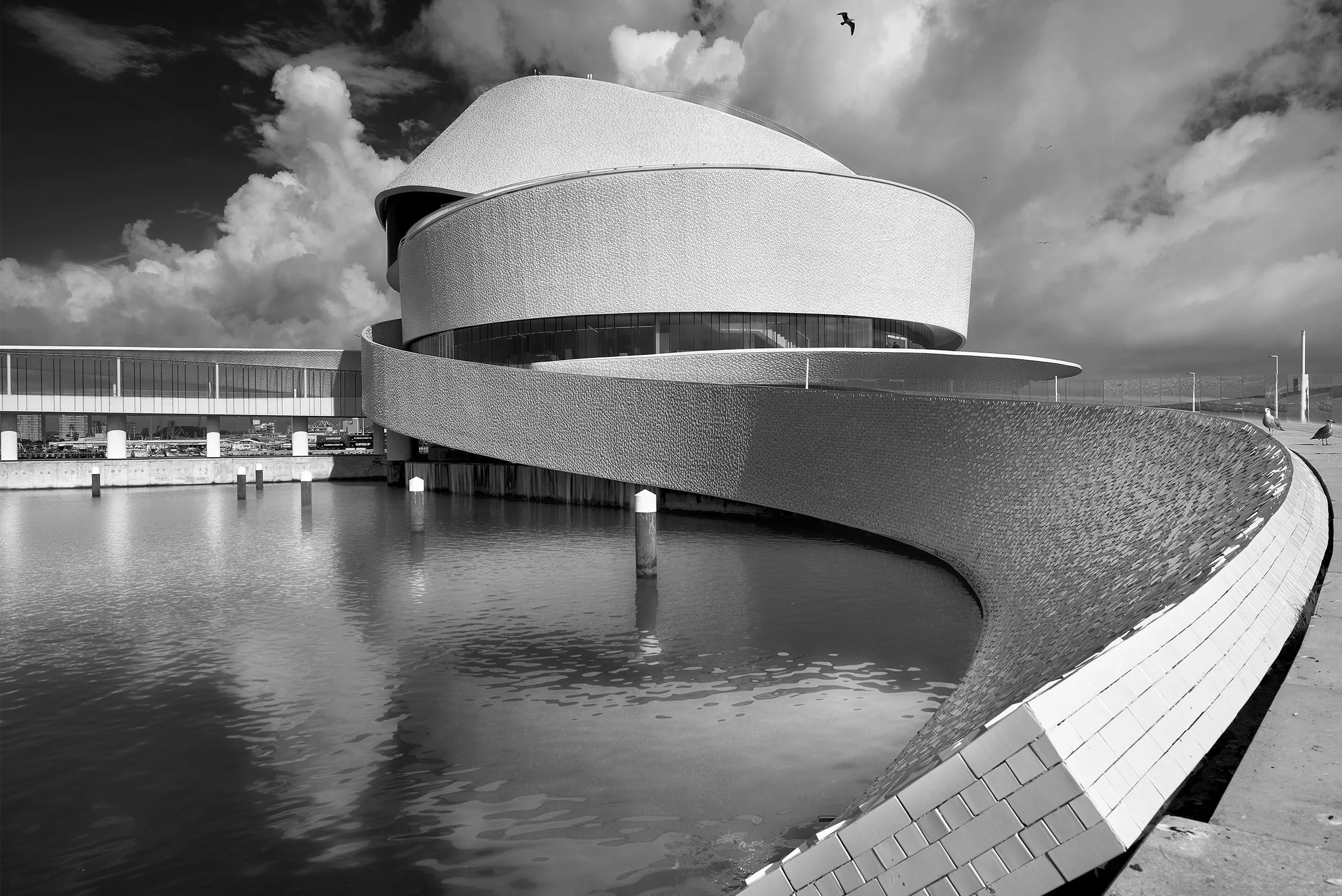
Maritime Geometry #108 Matosinhos, Portugal
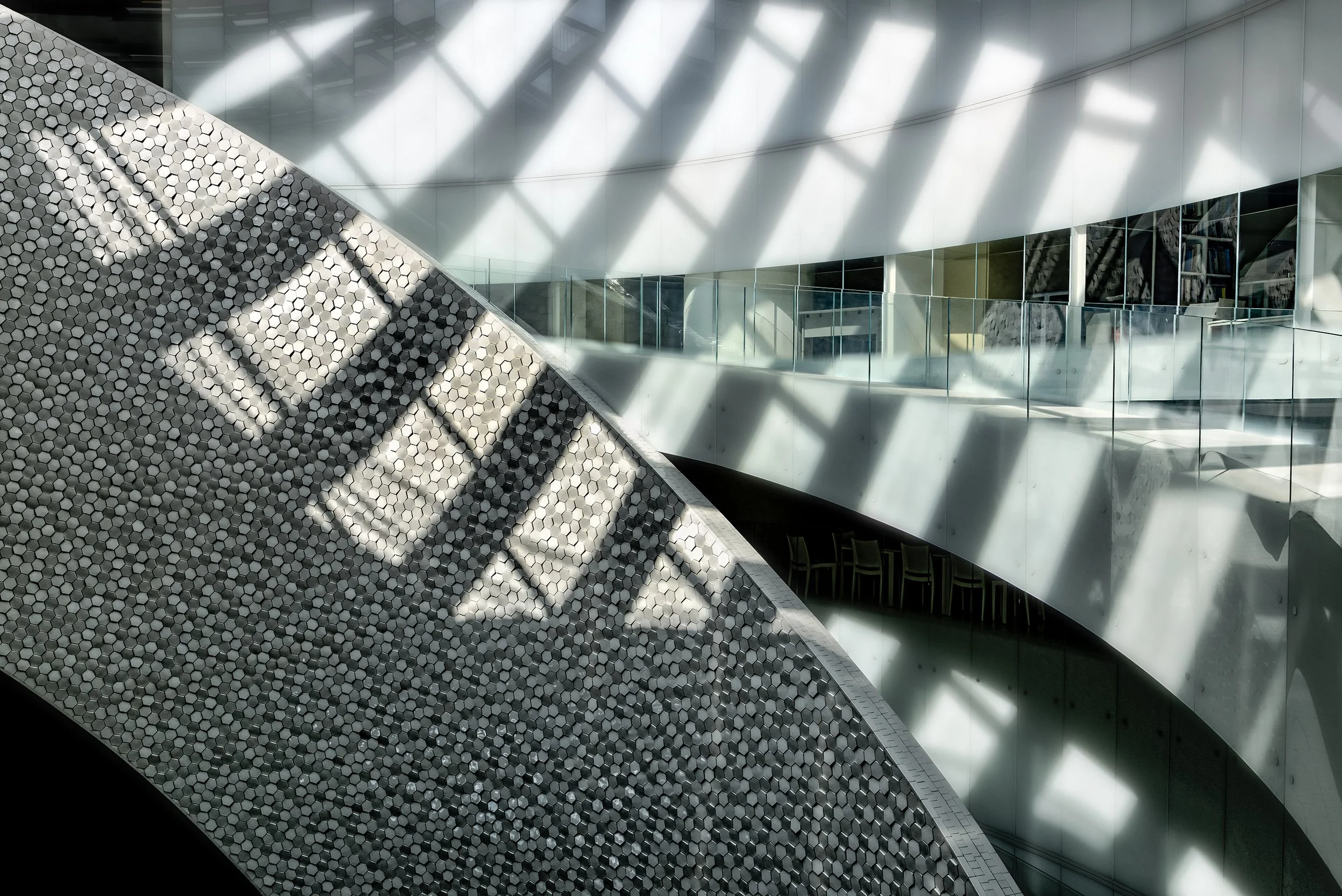
Interior Spiral #109 Matosinhos, Portugal

Ancient Waterwheel #118 Ervedal, Portugal

Third Bank #59 Coimbra, Portugal

Hidden Sight #101 Brunhós, Portugal
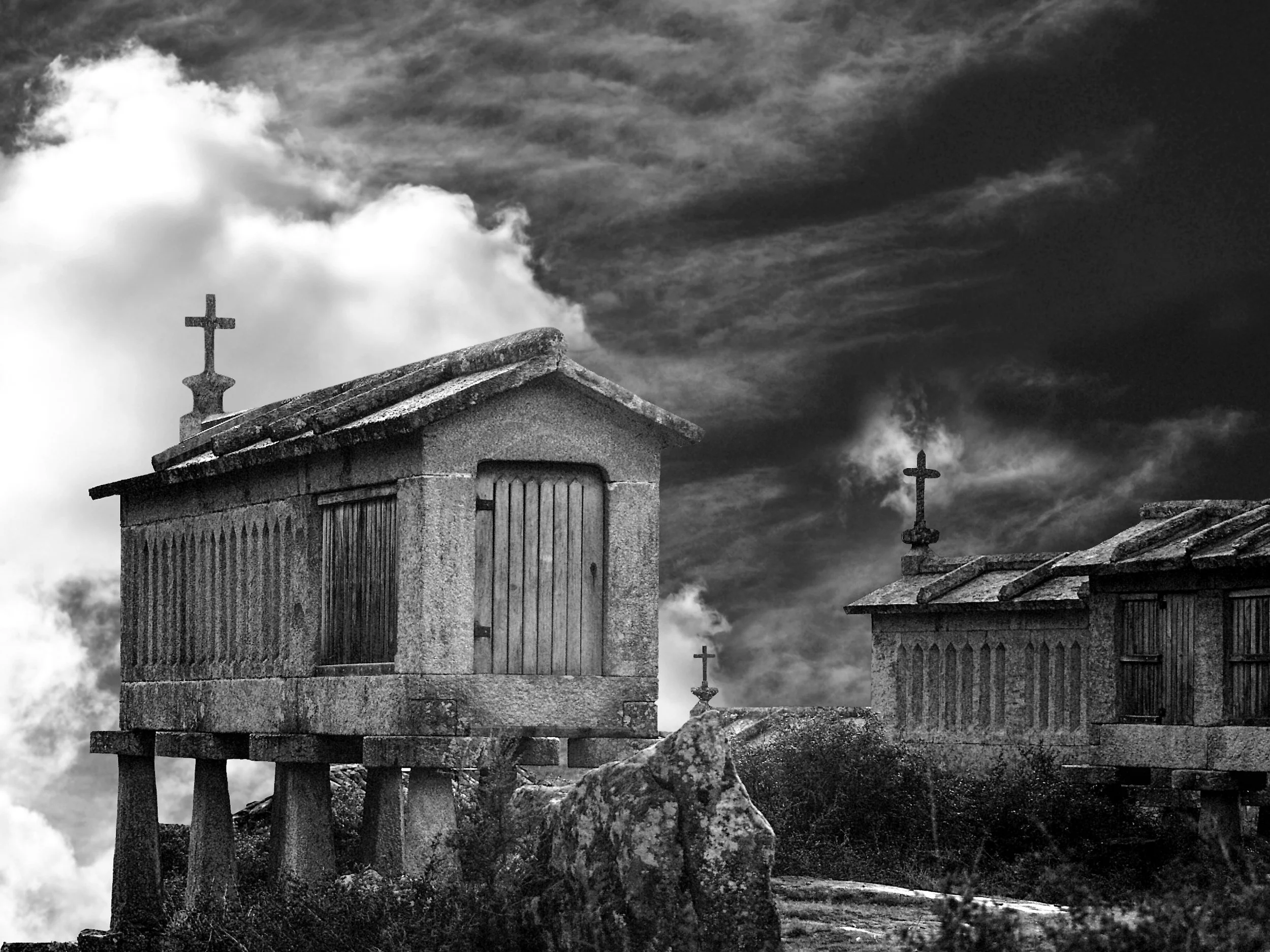
Espigueiro #113 Lindoso, Portugal

Shared Ride #6 Bragança, Portugal

Roadside Herd #5 Bragança, Portugal

Shared Snack #2 Coimbra, Portugal
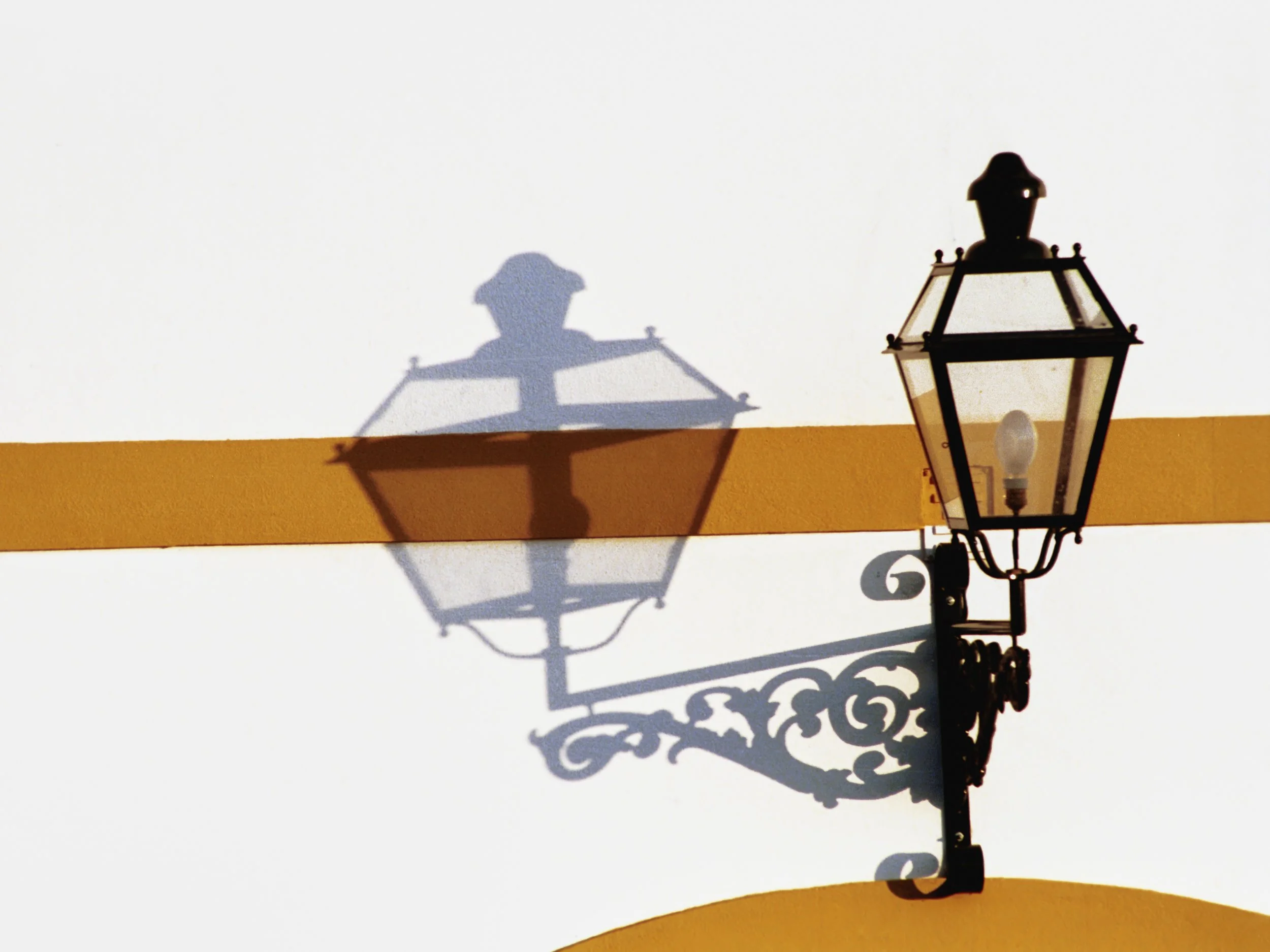
Laurel and Hardy #1 Ribatejo, Portugal